


Abide: Bible Meditation Prayer
4.26.79K Reviews
App Specs
- Version
- 3.76.0
- Updated On
- License
- Free
- Downloads
- 1,000,000+
- Developer
- Guideposts Digital
- Categories
- Books & Reference
- Platform
- Android
Screenshots




 Analysis by AppCompare
When I consider whether a faith-based reflection app can fit into ordinary life, I pay attention to more than the calm tone of its content. I want to know whether I can find the right kind of session without fuss, whether it works in the setting where I actually need it, and whether its presentation leaves room for different ways of reading, listening, and praying. Abide: Bible Meditation Prayer is a Christian devotional app from Guideposts Digital, and its focus is clear: guided reflection rooted in faith rather than a general-purpose meditation routine.
That focus makes it a natural fit for someone who wants prayer and Scripture to be part of a daily pause, but it also sets expectations. If I were looking for a broad library of secular mindfulness exercises or a tool built around reading and comparing Bible translations, I would look elsewhere. Abide is most useful when I want a guided, devotional experience and would rather be led through a session than assemble one from separate resources.
Finding a comfortable way into daily reflection
I find it helpful to judge a devotional app by how easily I can settle into it on an ordinary day, not by how many choices it presents. A good first test is to pick one calm moment and notice whether the session’s pace, sound, and faith language feel comfortable without requiring extra effort. That gives me a practical basis for looking more closely at readability and navigation.
Readability and navigation: a gentle starting point
Jumping into Abide: Bible Meditation Prayer is as easy as pie. Once you’ve downloaded it, you’re greeted with a calming interface that sets the mood for your spiritual journey. The app doesn’t bombard you with features but instead gently guides you into its offerings, which is a refreshing change in today’s app world.
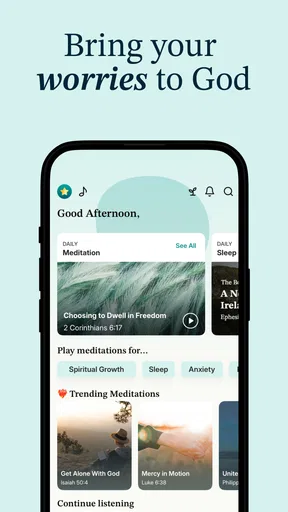
The first thing you’ll notice is the vast library of meditations. Whether you're looking to start your day with positivity or unwind after a hectic day, there's something for every occasion. The app smartly categorizes meditations by themes like “Anxiety,” “Sleep,” and “Healing,” making it easier to find exactly what you need.
That organization is helpful when I have a particular purpose in mind, but it also gives me a practical way to avoid endless browsing: decide what the moment calls for before opening the library. A short morning pause, a session for a difficult mood, and a wind-down at night are different jobs, and choosing the theme first can make the app feel more like a tool than another feed to scroll. If I am simply curious, browsing is pleasant; if I am already tired or unsettled, a clear intention saves attention.
Abide sits somewhere between a devotional reading app and a conventional meditation app. A Bible app is usually the better choice when I want to search passages, follow a reading plan, or compare text. A general mindfulness app may be preferable for secular instruction or a wider range of meditation traditions. Here, the distinctive value is the combination of Christian themes with guided listening, so I would choose it when that blend is what I want rather than expect it to replace either alternative.
Worth Reading Before You Choose

EA SPORTS FC Mobile 26 Is a Bigger Football Game, but It Takes Time

Flipboard Shows What News Apps Must Do Beyond the Feed

Switching to Android Auto Means Rethinking Your Driving Routine

Google Calendar Makes a Crowded Week Easier to Manage

Ludo King Makes the Most of the Minutes Between Plans

Baby Panda World Brings Quick Play to Modern Phones, but Its Game Library Feels Busy
The app is free to download, with in-app purchases ranging from $2.99 to $59.99 per item. I would treat that as a reason to explore the free experience before committing to paid content, then decide whether the particular material I want is worth buying. Its average rating is 4.2 from around 22,000 ratings, and it has been installed over a million times; those figures suggest an established audience, but they cannot tell me whether its devotional style will suit my own beliefs or habits.
Motor and sensory considerations: listening can change the experience
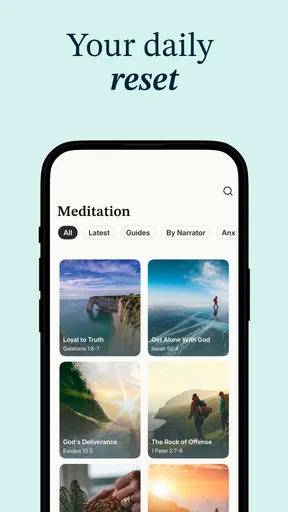
One of the standout features of Abide is its daily meditations. These are bite-sized, usually around 15 minutes, perfect for squeezing into a busy schedule. They’re narrated by soothing voices, making it easy to relax and focus on the message. The topics are diverse, covering everything from gratitude to overcoming fear.
The app also offers guided prayers, which are a lovely touch for those wanting a more structured prayer time. Each prayer is thoughtfully crafted, blending scripture with reflective pauses that allow for personal contemplation. It’s like having a personal spiritual guide in your pocket.
Audio-led sessions can be a welcome alternative to staring at a screen, especially when reading for long periods is tiring or difficult. They can also be less suitable if I need to keep the phone silent, cannot comfortably use headphones, or find narrated guidance distracting. I would try a short session in the setting where I expect to use it before building a routine around it. When I need quiet reflection, I can pause the audio and take the idea into my own prayer rather than treating the narration as something I must follow without interruption.
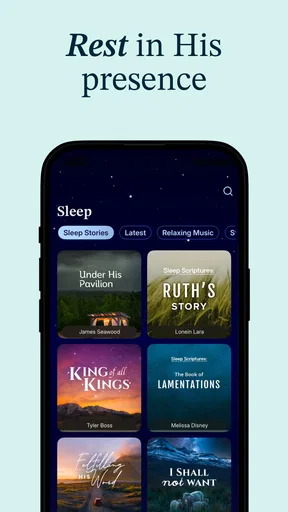
Another gem is the sleep stories. Imagine drifting to sleep with calming stories and scriptures; it’s a beautiful way to end the day. The stories are designed to ease you into a peaceful slumber, ensuring you wake up refreshed and ready to tackle whatever comes your way.
For bedtime listening, I would make the phone’s placement and volume part of the routine: keep it where I can reach it without searching in the dark, and set the sound low enough to be calming rather than intrusive. That small habit matters because a soothing session loses its purpose if I have to keep adjusting the device. Sleep content is also not the right answer for everyone; if spoken audio keeps me alert, I would choose a quiet devotional or another bedtime routine instead.
Situational access: making a session fit real life
A realistic use for me would be a brief pause before the day becomes crowded. I could choose a theme in the morning, listen while sitting somewhere quiet, and let one thought carry into the commute or the first task of the day. Later, if stress makes a long session unrealistic, a guided prayer offers a more structured way to stop and reflect. At night, a sleep story serves a different purpose, so I would not try to force every feature into one sitting.
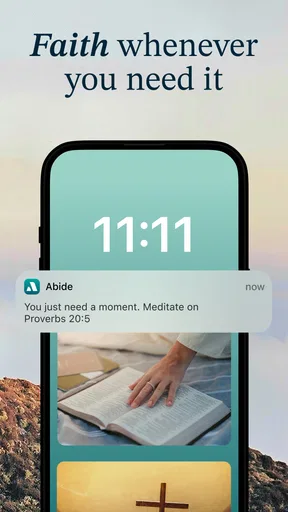
That separation is a useful, non-obvious way to get more from the app: give each kind of content a place in the day instead of browsing the whole library whenever I open it. A reminder can support that routine, but I would keep it at a time when I can actually pause. A notification arriving in the middle of work may become background noise, while one set for a reliable break can turn the app into a gentle prompt rather than another demand.
Abide is most appealing to people who already want Christian language and Scripture in their reflective practice, including newcomers who prefer a guided voice to figuring out how to begin alone. It may also suit someone who wants a calming option for bedtime or a simple prayer structure during a busy week. I would recommend a different kind of app to anyone seeking a neutral meditation approach, a comprehensive Bible study workspace, or a practice that does not assume a Christian frame.
It is also worth thinking about the room before pressing play. A quiet personal break is an obvious fit; a shared office, public transport, or a household where others are sleeping may call for headphones or a different time. If audio is not practical, the guided format may be less convenient than a text-first devotional. Matching the session to the setting is a better test of usefulness than expecting one approach to work equally well everywhere.
Personalization, continuity, and connection
Abide doesn’t just stop at providing content; it goes a step further with personalization options. You can set reminders for prayer and meditation, ensuring you never miss your spiritual time. The app also allows you to track your progress, which is a great way to stay motivated and see how far you’ve come on your spiritual journey.
I would use reminders as a flexible cue, not as a scorecard. A missed day is not a reason to abandon a spiritual routine, and progress tracking is most helpful when it encourages reflection rather than turning prayer into a streak to protect. One practical approach is to choose a regular time, then keep the goal modest enough that a busy day does not make the habit feel impossible.
For those who love a bit of background music during meditation, Abide lets you choose from a selection of calming tracks. Whether you prefer nature sounds or instrumental music, there’s an option to suit your taste.
Sound preferences are personal, so I would test a track with both a spoken session and a quiet moment before deciding it belongs in my routine. Music that helps me settle may compete with narration or make it harder to concentrate on the words. The useful choice is not necessarily the most elaborate mix; it is the one that leaves the prayer or reflection easy to follow.
In a world that often feels disconnected, Abide fosters a sense of community. The app includes features where you can share your favorite meditations or prayers with friends, making it easy to connect and grow together spiritually. It’s a reminder that while meditation is a personal journey, it doesn’t have to be a solitary one.
There’s also a section in the app where you can read testimonies from other users. These stories of transformation and hope are both inspiring and encouraging, especially on days when you might feel a bit lost.
Sharing can make a session a starting point for conversation with a friend, but I would think about the recipient before sending it: a devotional that feels supportive to one person may not match another person’s beliefs or needs. The testimonies are best approached as other people’s experiences, not as promises about what a session will do for me. That distinction keeps the community element encouraging without making it a substitute for personal judgement.
Remaining barriers and a fair way to decide
Abide is a focused app, and that focus is both its strength and its main limitation. The Christian devotional framing will be meaningful to the intended audience, but it will not suit someone who wants spiritual neutrality. Its guided content is convenient when I want a voice to lead me, yet less ideal when I want to study a passage in depth or choose every part of a meditation myself. In those cases, a Bible study resource or a more flexible meditation tool would serve me better.
There is a small trade-off between a large library and quick decisions: more choice is welcome when I have time to browse, but I may not want to evaluate many options when I am tired. I would save a few suitable sessions or rely on familiar themes once I find what works, rather than turn every pause into a search. If I am trying the app for the first time, testing one morning meditation, one prayer, and one sleep story gives a more useful picture than judging it from a single mood or moment.
The app is free, but some content involves purchases, so I would check the specific item and its cost before buying rather than assume every session is included. It is rated for Everyone, and its current version is 3.64.9, with a minimum operating-system requirement of 8.1. It first appeared on November 24, 2014, and Guideposts Digital continues to develop it. Those details make it easier to judge whether the app fits a device and budget, while the more important personal question remains whether its guided Christian approach feels comfortable.
If I am unsure, I would start with a short, free session at a time when I can listen without rushing. I would notice whether the narrator’s pace works for me, whether the devotional language feels natural, and whether I want to return to the format afterward. That simple trial answers the questions that a rating or feature list cannot: does this help me pause, and does it fit my own practice?
An inclusive verdict: a useful fit for the right kind of pause
So, is Abide: Bible Meditation Prayer worth a spot on your home screen? Absolutely. It’s not just an app; it’s a tool that encourages spiritual growth and personal reflection. Whether you're new to meditation or a seasoned pro, Abide offers something for everyone. With its thoughtful content and user-friendly interface, it’s like having a spiritual guide right at your fingertips.
I would recommend it most readily to someone who wants Christian reflection presented in a calm, guided format and appreciates having distinct options for a daytime pause, prayer, or bedtime listening. The app’s gentle approach may make it easier to begin than building a practice from scratch, while reminders and progress tracking can help people who like a bit of structure. For someone who prefers silence, independent Bible study, or a secular approach, another resource will probably feel more natural.
Accessibility is not one single feature, and I would not assume that a soothing presentation automatically works for every person or situation. Audio can reduce the need to read continuously, but it brings its own sensory and environmental constraints; reminders can aid memory, but poorly timed alerts can interrupt. I would treat the app as a set of options to try at my own pace, choosing the format and moment that feel manageable rather than expecting one routine to fit every day.
So, why not take a break from the chaos, grab your phone, and let Abide guide you to a place of peace and reflection? It might just be the meditative escape you've been searching for.
Pros
- User-friendly interface for easy navigation.
- Wide variety of meditation topics available.
- Daily reminders to encourage regular practice.
- High-quality audio for immersive experience.
- Customizable session lengths for flexibility.
Cons
- Limited features in free version.
- Requires internet for streaming content.
- Subscription can be pricey for some users.
- Occasional app crashes reported by users.
- Not suitable for non-English speakers.
FAQs for Abide: Bible Meditation Prayer
What is Abide: Bible Meditation Prayer?
Abide is a Christian meditation app designed to help users deepen their faith through guided prayers and meditations. It offers a variety of sessions focusing on different aspects of spiritual growth, mental health, and relaxation, making it a versatile tool for anyone looking to incorporate faith-based practices into their daily routine.
Is Abide available for both Android and iOS devices?
Yes, Abide is available for download on both Android and iOS platforms. Users can find it in the Google Play Store and the Apple App Store. The app provides a seamless experience across devices, allowing users to access their favorite meditations and prayers anywhere they go.
Does Abide offer free content, or is it subscription-based?
Abide offers a mix of free and premium content. While you can access several meditations and features without charge, subscribing to the premium version unlocks the full library, including all meditation guides, bedtime stories, and more personalized experiences. This subscription supports the app’s development and maintenance.
How does Abide support mental health and wellness?
Abide focuses on combining faith and mental wellness by offering meditations that reduce stress, improve sleep, and enhance overall mental health. The guided sessions encourage a sense of peace and relaxation, helping users to manage anxiety and depression through spiritual reflection and mindfulness practices.
Can Abide be used offline?
Yes, Abide allows users to download meditations and prayers for offline use. This feature is particularly useful for those who want to access content without an internet connection, such as when traveling or in areas with limited connectivity. Offline access ensures users can maintain their spiritual practice anytime and anywhere.


